Emojis are increasingly used by brands as part of their SEO strategies. They’re not right for every brand, but here’s why you might want to consider jumping aboard the emoji trend to give you a competitive advantage.
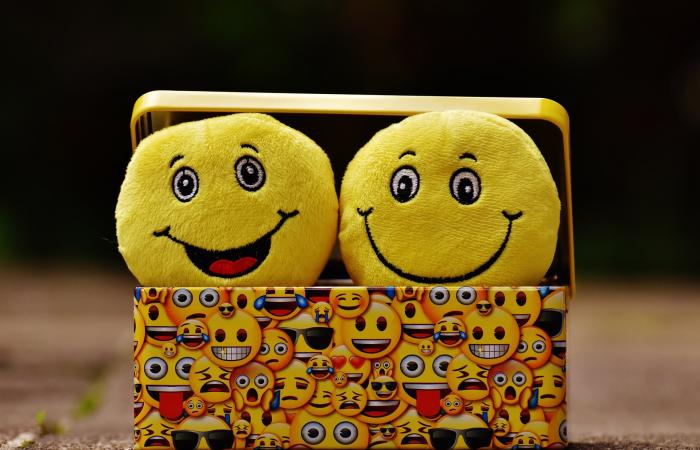
Google and emojis
Google recognises emojis. If emojis are appropriate for your brand and audience, there’s value in using them in the meta titles and descriptions of your web pages. But, keep in mind, there are reasons Google may choose not to display your emojis in its search results. For instance, emojis may be considered by Google to be out of place, look too spammy, or potentially misleading.
But Google does not always display what is in the meta description and titles anyway, with or without emojis.
Why should you consider using emojis?
There is an emotional depth conveyed in an emoji, research has discovered, that cannot always be achieved in words, and certainly not in a single character, making them particularly effective for communicating some brands’ messaging.
The first question you should ask yourself is whether your brand is appropriate for the use of emojis. If you are:
- E-commerce
- Aimed at local trade
- For a young market (17-23-year olds particularly)
Then you may benefit from using emojis in your SEO and online marketing. Emojis resonate particularly with the younger age groups, and, research has found, may be more effective for local searches, for example, pizza delivery, shoe shops, etc.
It’s about increasing visibility
While the use of emojis in your meta titles and descriptions alone, will not increase your rankings in the search results, emojis can make you more visible to your audience, which in turn, will increase your CTR (click-through rate).
If yours is the only search result returned with an eye-catching emoji, for example, a telephone for your contact page, or gift for your sales page, that may just be the hook your browser needs to click.
And the by-product of an increased CTR is increased audience, engagement and potentially sales, so for the most part, including emojis in your meta is a definite click-through strategy, if they are right for your brand.
How to use emojis in your SEO
- Do not use them for decoration; they’ll soon clutter up your website
- Use them to convey something definite and relevant, i.e. a pizza slice, for a pizzeria; a shoe for a shoe shop; a gift , for a gift shop, a telephone for your contact page
- Take advantage of the seasons and holidays and leverage the relevant emojis for your purposes
- Use in moderation
To sum up
While emoji characters alone will not boost your rankings, they can, by a small factor increase your visibility and click-through rate, so they are certainly worth some effort for these reasons, but only if they are right for your brand.
You will need to decide if emojis are useful for your particular brand, and then experiment with them in your meta. Perhaps constructing two identical pages, one with emojis and one without, and comparing the results.
If any of your target market are using emojis to search for you and your products, then it’s worth you using them too. And that may be a small proportion now, but emoji-character searches are here to stay, and they are predicted to increase in the future.


< Read more articles on our Web Academy
The changing role of social media in marketing
Social media isn’t what it used to be. User-behaviour has evolved, and businesses are under increasing pressure to adopt different posting habits to make it worth their while.
Providing digital help and support – what to consider
Do you want to offer your customers digital help and support they can access online? It’s not as simple as just removing the phoneline. Here’s what to consider.